
Ladyboy Meaning Explained: History, Cultural Context and Respectful Dating
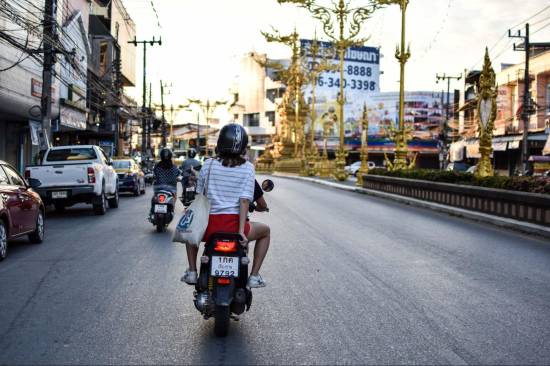
Everyday street life in Thailand, the country where the word kathoey, and later “ladyboy,” comes from.
You may have heard the word "ladyboy" on TV, in a travel story or online, and wondered what it really means. In fact, you may also have doubts about whether it is polite to say. The ladyboy meaning goes back to a Thai word with its own long history. This guide explains where the term comes from, how Thai trans women describe themselves today, and how to talk about it with respect.
Contents
- What Does Ladyboy Mean? Origins and Historical Context
- Linguistic Differences: Southeast Asian Culture vs. Western Labels
- Respectful Dating & Social Etiquette
- Finding Sincere Connections Online
- Frequently Asked Questions
What Does Ladyboy Mean? Origins and Historical Context
Ladyboy is the common English word for kathoey, a Thai term for people born male who live with a feminine identity. Today, it mostly describes transgender women in Southeast Asia, although kathoey can also refer to feminine gay men. Many Thai trans women simply call themselves phuying, which means "women," and that is the core ladyboy meaning to remember.
The Traditional Thai Concept of Kathoey
The kathoey meaning has changed over time. Historian Peter Jackson of the Australian National University says the word first meant intersex people. By the mid-20th century, it also meant feminine males. The word itself likely comes from Khmer, the language of Cambodia.
Until the early 1900s, many Thais believed in three sexes: male, female and a mixed group.
So the idea of a third gender in Thailand is old. Only the words around it are new.
Cultural and Buddhist Roots of Acceptance in Thailand
About 95% of Thais are Buddhist. Buddhism values tolerance, which is one reason trans women are so visible in Thai life.
There is also a less comfortable idea. Some Thais believe a person is born kathoey because of mistakes in a past life, as a matter of karma. This view often brings pity, not full respect. A UN Development Programme survey summed it up as "tolerance but not inclusion."
Linguistic Differences: Southeast Asian Culture vs. Western Labels
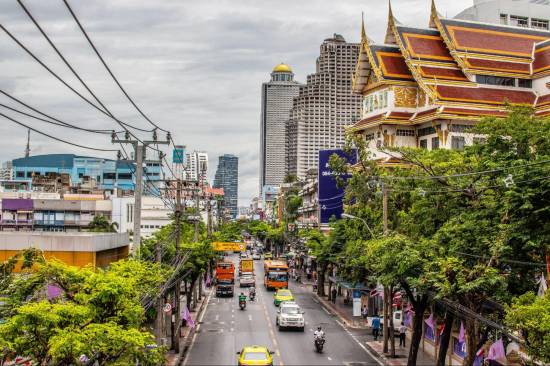
a Buddhist temple beside modern towers in Bangkok, showing old and new side by side, just like old and new Thai words for gender identity.
The ladyboy meaning makes more sense next to other words. Thailand and its neighbours each have their own terms.
Term | Cultural context | Common usage | Preferred politeness
|
Kathoey | Thai umbrella word; can also mean gay men | Everyday Thai speech | Can sound rude, depending on tone |
Sao praphet song | Thai: "second-type woman" | How many trans women describe themselves | Polite |
Phuying kham phet | Thai: "transgender woman," since 2010 | Activists, media, younger people | Polite, slightly formal |
Ladyboy | English for kathoey | Talking with foreigners, online dating | Widely used, but not everyone likes it |
Transgender woman | International term | Official and global media use | The most neutral choice |
Bakla | Philippines: mixes gay man and feminine identity | Everyday Filipino speech | Often wrong for trans women |
Transpinay | Philippines: "trans" plus "pinay" (Filipina) | Filipino trans community | Polite |
Modern Evolution: How Younger Generations Self-Identify
In a study of 195 Thai trans women by Sam Winter of the University of Hong Kong, 47% called themselves simply phuying (women). Another 36% said phuying praphet song. Very few chose kathoey.
In 2010, the term phuying kham phet reached Thai TV. Activist Yollada "Nok" Suanyot was one of its best-known voices. In 2012 she became the first trans woman elected to a provincial council in Thailand. She said she wanted men to treat trans people "like normal women."
Muay Thai champion Parinya "Nong Toom" Charoenphol broke stereotypes too. She told Asia Times that you cannot choose how you are born, but you can "choose how you want to be.".
The Philippines is changing in a similar way. In 2008, a Filipino trans women's group proposed transpinay instead of bakla.
Preferred Pronouns and Polite Forms of Address
Use "she" and "her." Speak to her as you would to any woman. In Thai, trans women use female forms, such as the polite ending "kha." Call her by her name or nickname, with "Khun" before it to be polite. If you are not sure, ask.
Respectful Dating & Social Etiquette
Avoiding Fetishizing Language and Outdated Stereotypes
A ladyboy can feel treated as an object when a man shows unusual curiosity about how her body works or how she manages her everyday life. It feels even worse when he assumes she must want only sex because of who she is. These ideas come from old stereotypes that reduce ladyboys to entertainment. They forget she is a real person with a job, a family and plans.
Treating Your Partner with Sincerity and Mutual Respect
Simply put, treat her as a normal person, because she is one. She has a job, hobbies, family, dreams and everyday problems like anyone else. On top of that, she often faces a lack of acceptance, which makes ordinary struggles heavier.
So let things take their natural course. First get to know each other, then decide whether you truly fit, and only then move towards something serious. There is only one rule: treat her as a woman you respect.
Research agrees. In a US study of 191 couples, judgment from others raised stress for both partners, and commitment helped.
Finding Sincere Connections Online
A dating site gathers people with a clear goal: to meet someone. In a bar or at work, you rarely know if a person wants a relationship at all. Online, you mostly know before the first message.
Still, check intentions early. Be careful with anyone who seems interested mainly in your money, or only in something casual when you want more.
The US Federal Trade Commission advises: take it slowly, and never send money to someone you have not met. If you are new to dating an Asian ladyboy, our guide covers the first steps.
So if you are hoping to meet someone for something real, a ladyboy dating site where profile photos are checked by moderators is a simple place to begin. Sign-up is free, and you can take your time getting to know people.
Frequently Asked Questions
Is the word "ladyboy" considered offensive in Thailand?
Not usually. Many Thai trans women use "ladyboy" themselves, especially in English with foreigners. Tone still matters: as a joke, any word can hurt. Knowing the ladyboy meaning and its history helps you use it kindly.
How does Thai law recognize transgender individuals?
Thai law does not yet let trans people change the gender on their ID cards or passports. The 2015 Gender Equality Act bans discrimination based on gender identity. As of 2026, several gender recognition bills are still waiting in Parliament.
What is the most polite way to compliment a trans woman in Thailand?
Compliment her the way you would compliment any woman: her smile, her style, her kindness. Avoid "you look like a real woman," because it suggests she is not one.
